Australian outback and bush
The animals and plants of Australian outback and bush: 77 real species await you in Vitacollecta, spread across Red desert, Bush and eucalyptus forests and Billabongs and rivers.
Choose a habitat, set off on an expedition at local time (time zone UTC+10), and come back with your observations: each species you meet becomes a card in your album, with its real photo.
The region in numbers
- 77species
- 3habitats
- 29birds
- 17mammals
- 11plants
- 10reptiles
- 3fish
- 2arachnids
- 5other species
By rarity: 29 common; 28 uncommon; 15 rare; 4 very rare; 1 exceptional.
Habitats
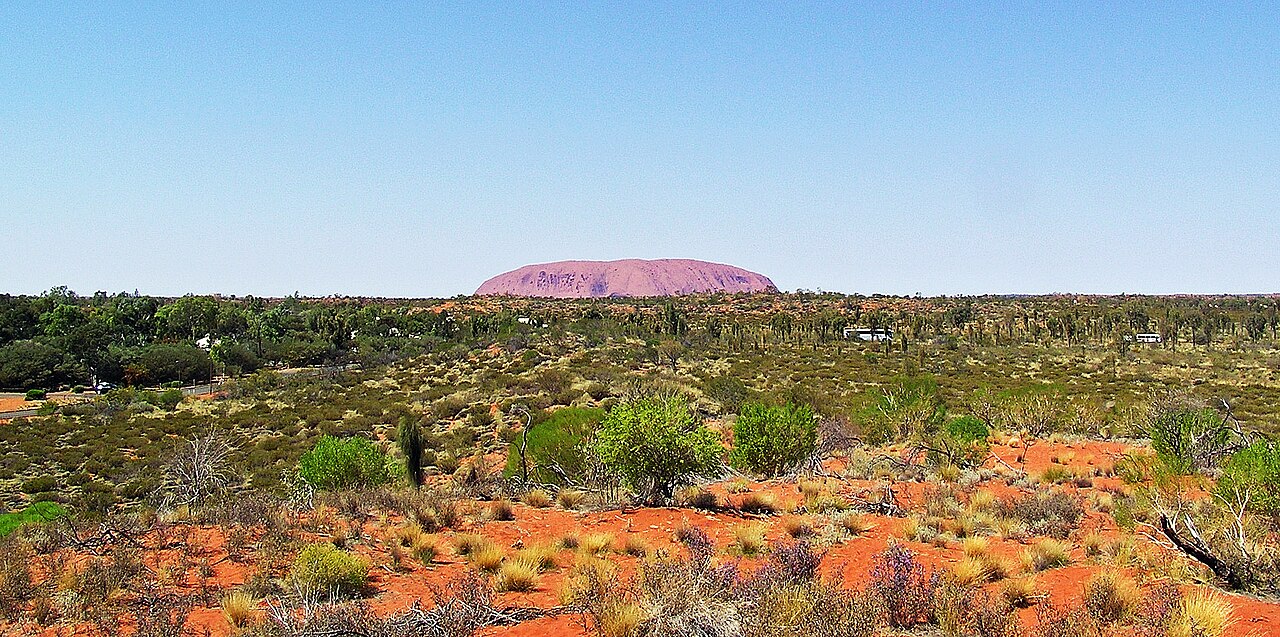
Red desert
24 species
Red sand, spinifex and rocks under a blazing sun.
The outback's sand is red because of rust: a thin coat of iron oxide covers each grain.
Photo: Donaldytong · Public domain · Source: Wikipédia (FR) : Outback · Wikipédia (FR) : Désert de Simpson
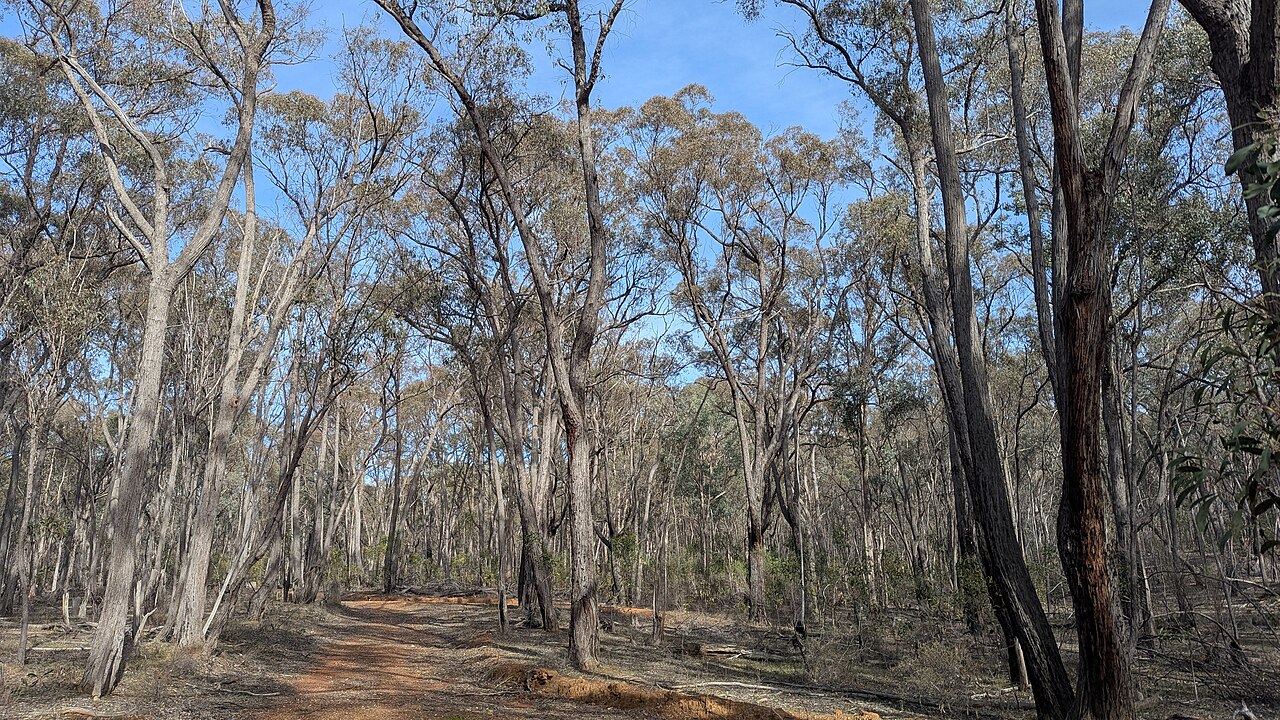
Bush and eucalyptus forests
26 species
Fragrant eucalyptus forests, where kookaburras laugh.
Above the Blue Mountains, eucalyptus oil forms a bluish haze that gave the range its name.
Photo: B 897 · CC0 · Source: Wikipédia (FR) : Eucalyptus · Wikipédia (FR) : Montagnes Bleues (Australie)
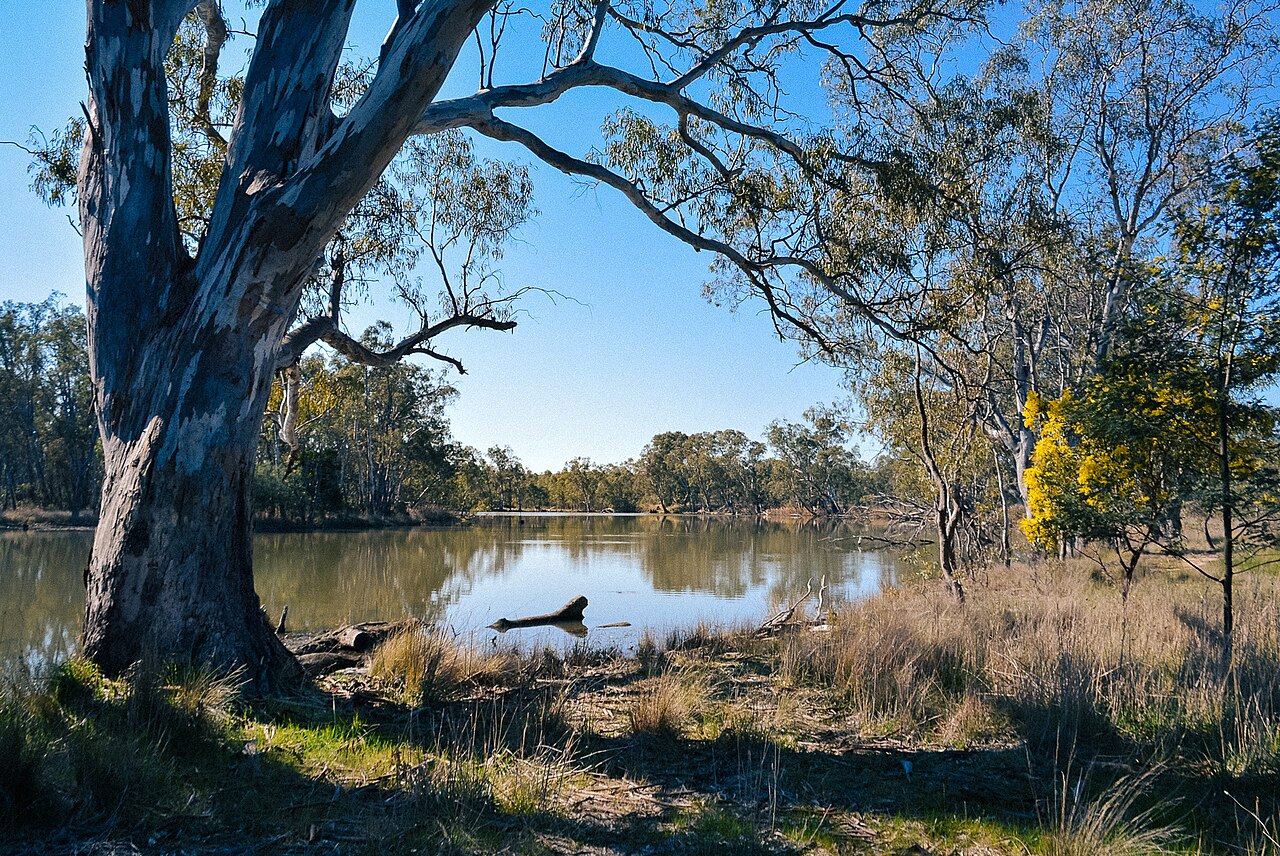
Billabongs and rivers
27 species
Oxbow lakes, water lilies and crocodiles of the tropical North.
The word “billabong”, from an Aboriginal language, appears in “Waltzing Matilda”, Australia's best-loved song.
Photo: Peterdownunder · CC BY 4.0 · Source: Wikipédia (FR) : Billabong · Wikipédia (FR) : Parc national de Kakadu


A few regulars
Common species, met from the very first outings. The rare ones are left for you to discover in the field.
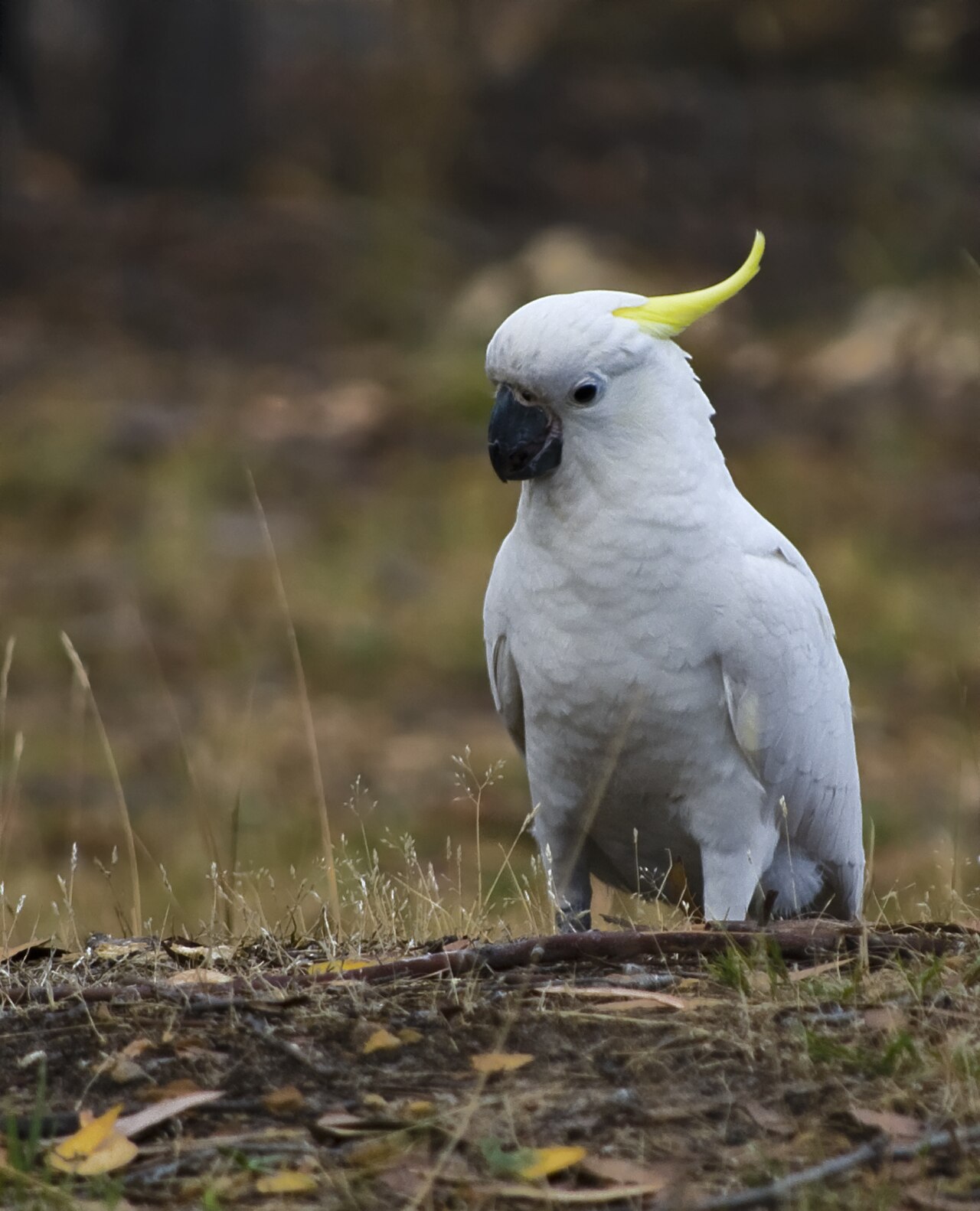
Sulphur-crested cockatoo
Cacatua galeritaBird · Billabongs
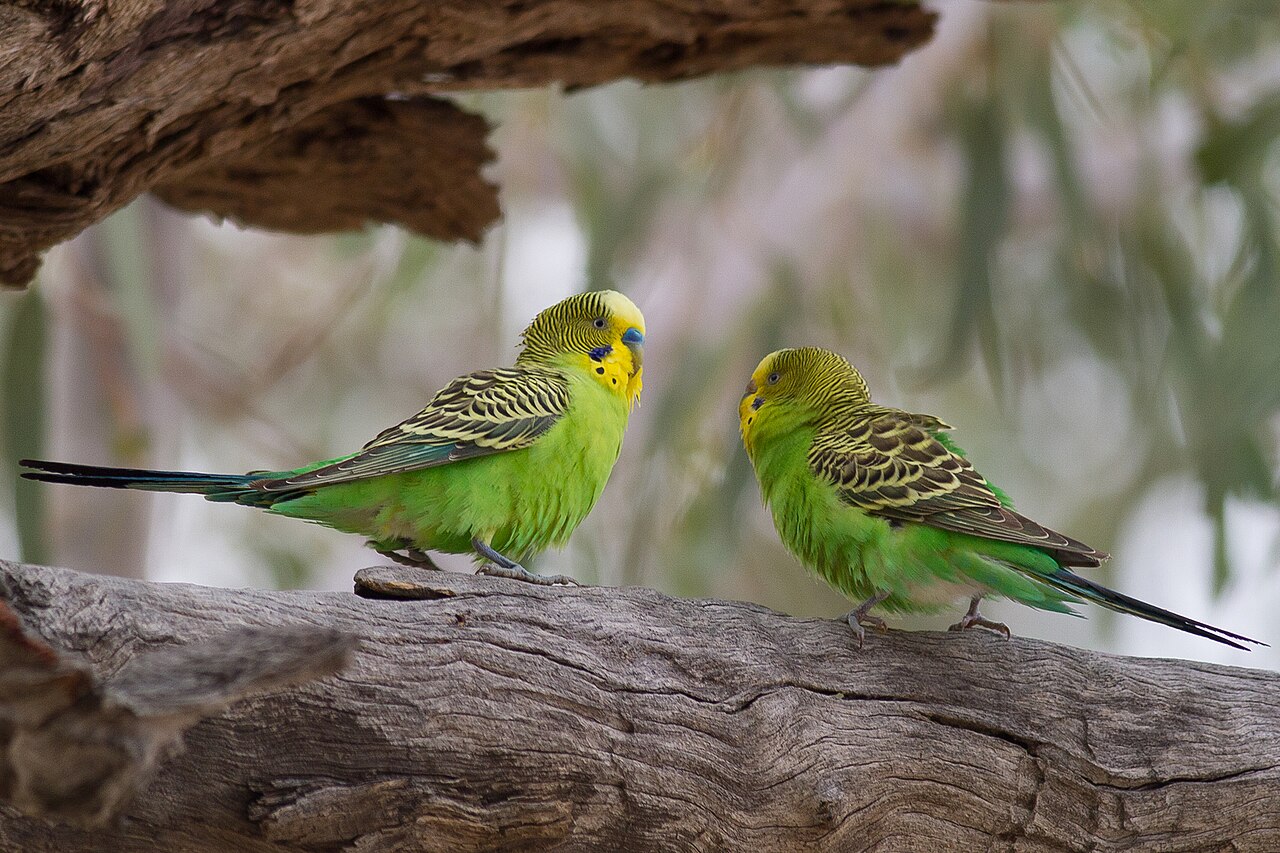
Budgerigar
Melopsittacus undulatusBird · Desert
Photo: (c) Kym Nicolson, some rights reserved (CC BY) · CC BY 4.0
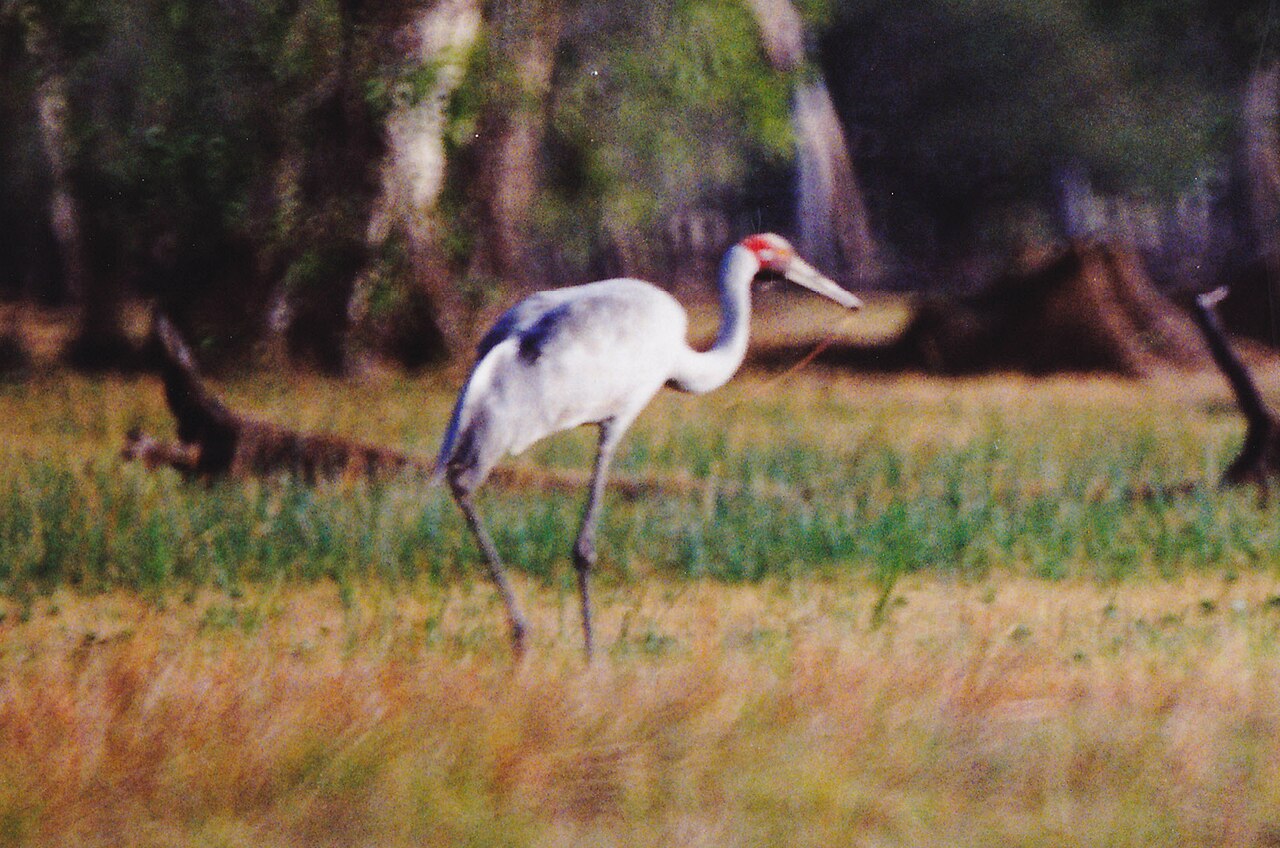
Brolga
Grus rubicundaBird · Billabongs
Photo: Ron Knight from Seaford, East Sussex, United Kingdom · CC BY 2.0
- + 71species to discover by playing, including 20 rare or rarer


Seasons
The game follows the region's calendar: some species only show themselves in their season.
- Scorching summer: from December to February
- Autumn: from March to May
- Dry winter: from June to August
- Spring in bloom: from September to November
Going further
With experience, gear specific to the region opens up remote corners: cork hat, night torch, flat-bottomed boat; a local guide (Aboriginal ranger) helps you find elusive species.
Feel like exploring?
Vitacollecta is free and ad-free, on phones and computers, in English or in French.