Andes
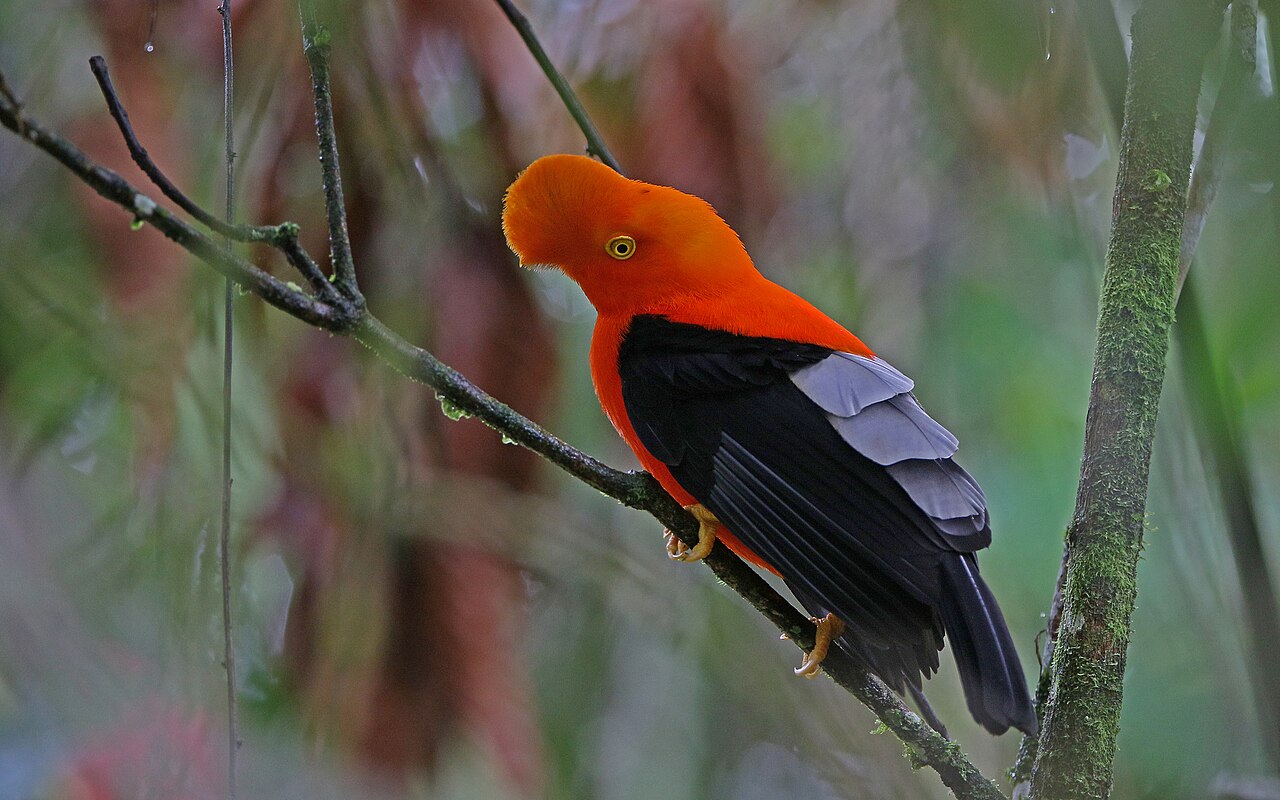
The animals and plants of Andes: 80 real species await you in Vitacollecta, spread across Puna and high plateaus, Cloud forests and Lakes and salt flats.
Choose a habitat, set off on an expedition at local time (time zone UTC−5), and come back with your observations: each species you meet becomes a card in your album, with its real photo.
The region in numbers
- 80species
- 3habitats
- 34birds
- 16plants
- 15mammals
- 11insects
- 3amphibians
- 1fungus
By rarity: 30 common; 29 uncommon; 16 rare; 4 very rare; 1 exceptional.
Habitats
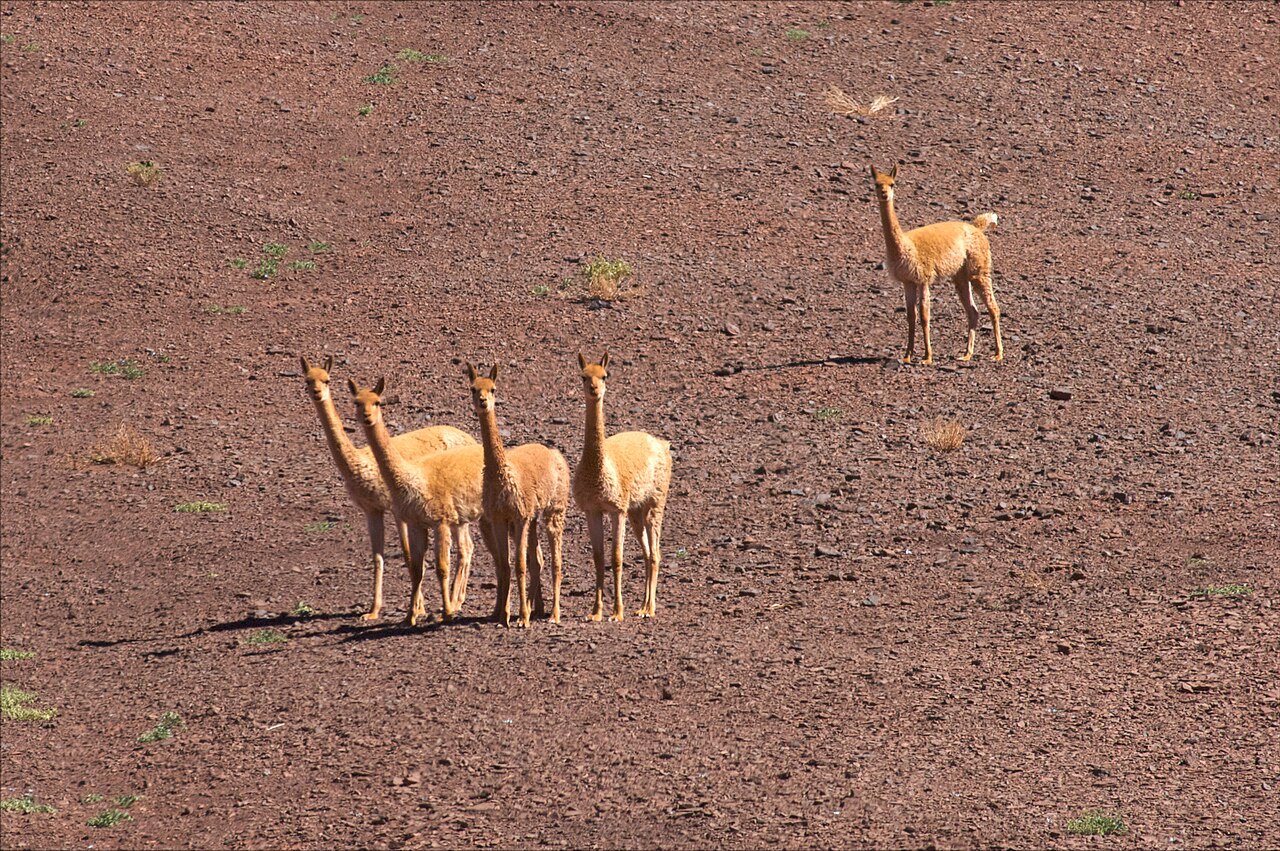
Puna and high plateaus
29 species
The high grasslands of tough grass, between 3,500 and 5,000 metres.
On the puna it can be over 20 °C in the midday sun and bitterly freezing the following night.
Photo: Kevin Jones from Vancouver, Canada · CC BY 2.0 · Source: Wikipédia (FR) : Puna (écorégion) · Wikipédia (FR) : Páramo · Wikipédia (FR) : Altiplano
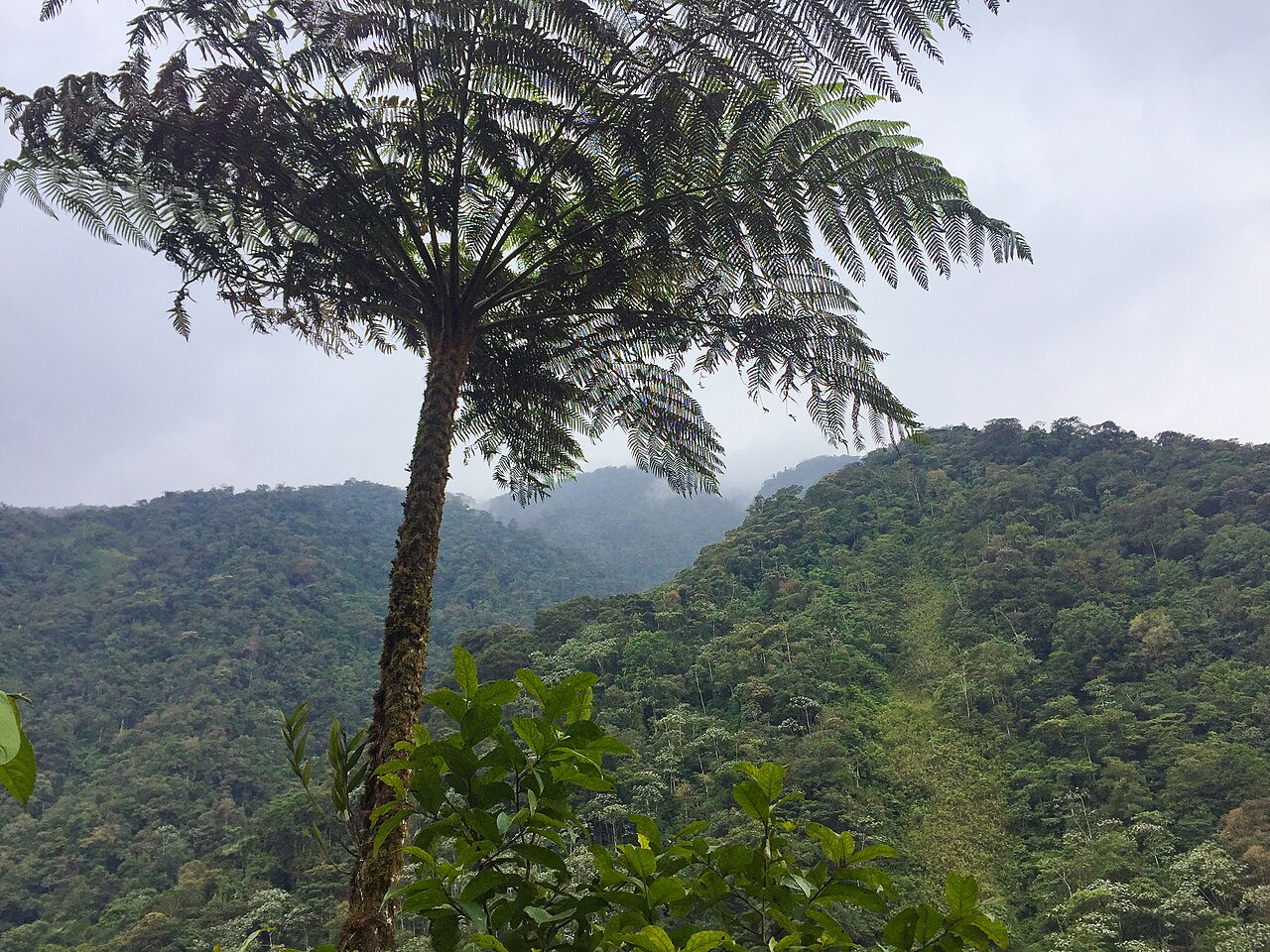
Cloud forests
28 species
The ever-wet forests of the slopes, drowned in mist.
These forests also drink the fog: drops running off the leaves water the ground, even without rain.
Photo: Hanspeter Bellers · CC0 · Source: Wikipédia (FR) : Forêt de nuages · Wikipédia (FR) : Yungas
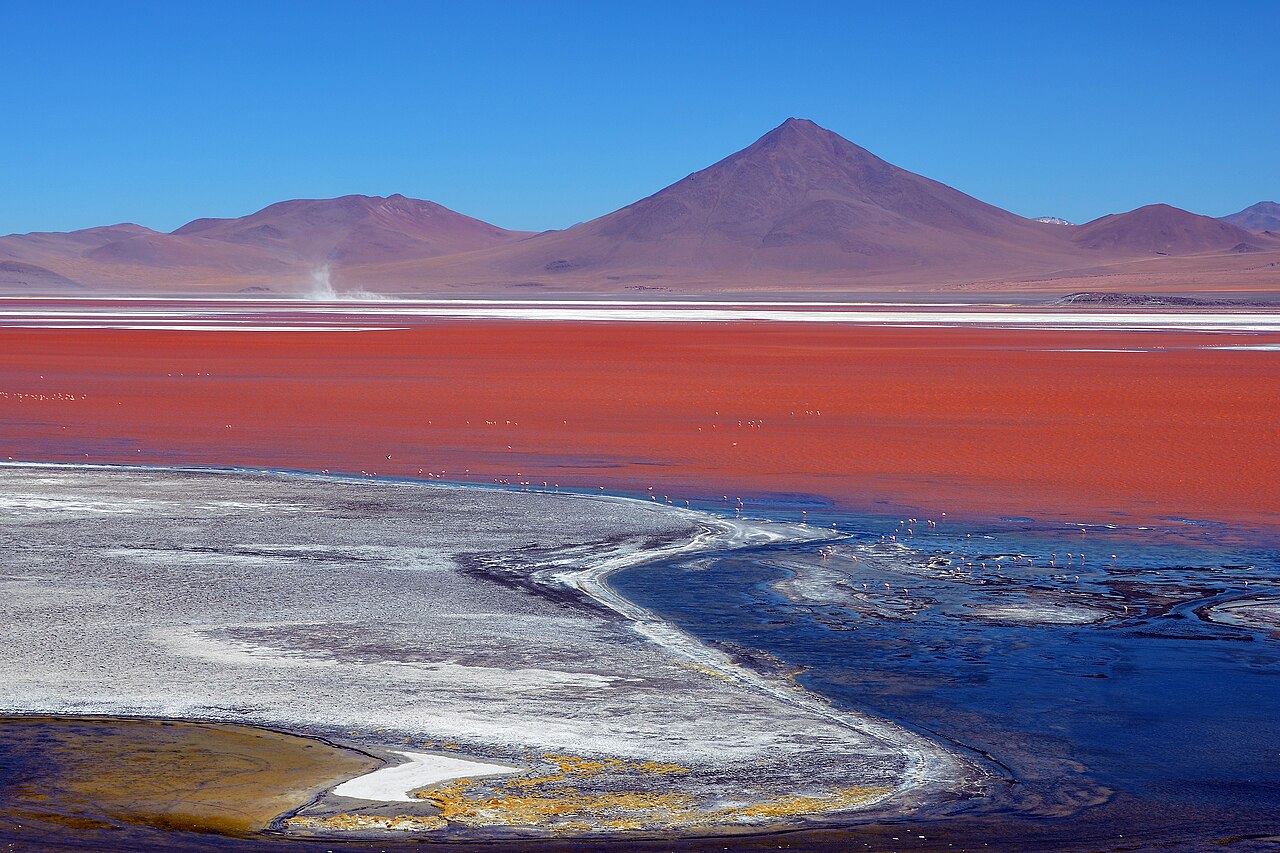
Lakes and salt flats
23 species
High-altitude lakes and white salt deserts, where flamingos feed.
The Salar de Uyuni in Bolivia is the largest salt flat in the world: over 10,000 km² of white salt.
Photo: madras91 · CC BY 2.0 · Source: Wikipédia (FR) : Altiplano · Wikipédia (FR) : Salar d'Uyuni · Wikipédia (FR) : Lac Titicaca


A few regulars
Common species, met from the very first outings. The rare ones are left for you to discover in the field.
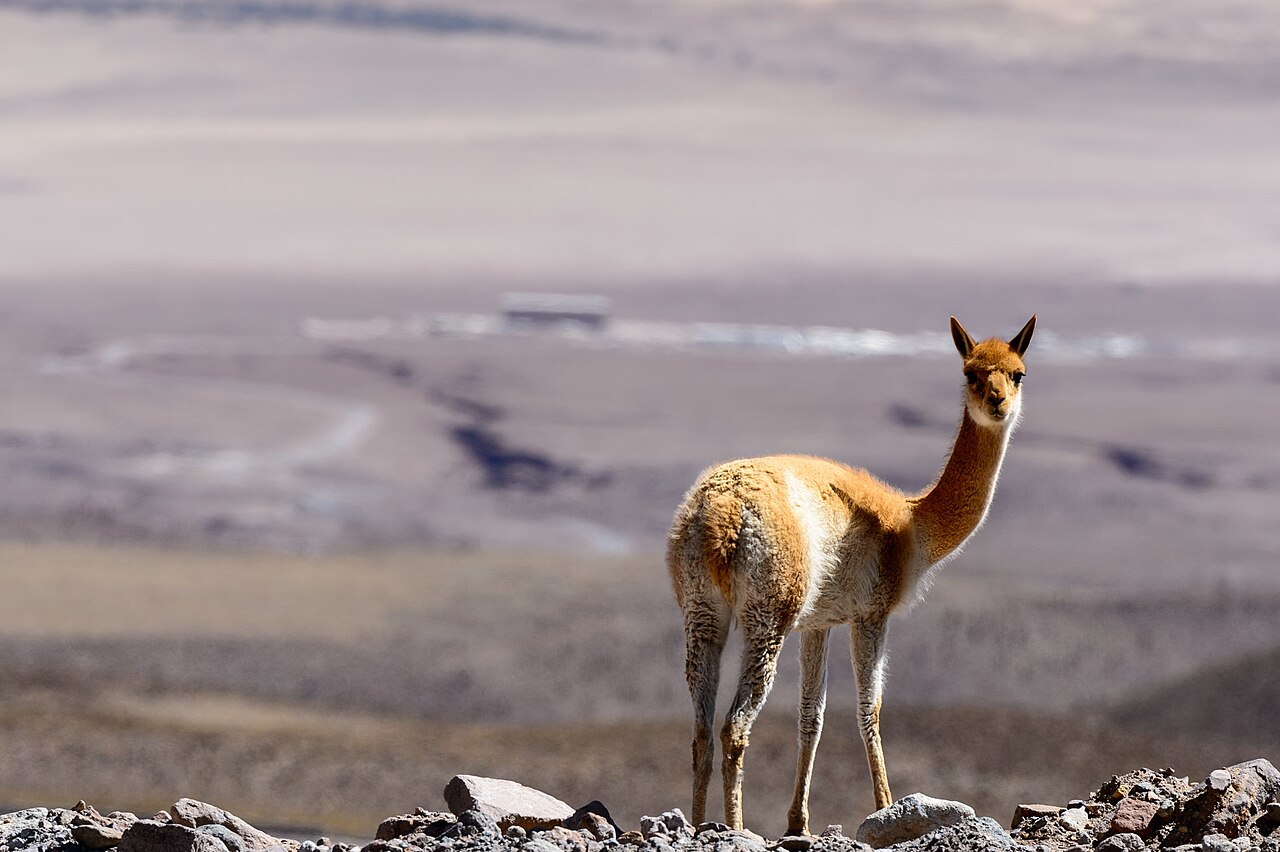
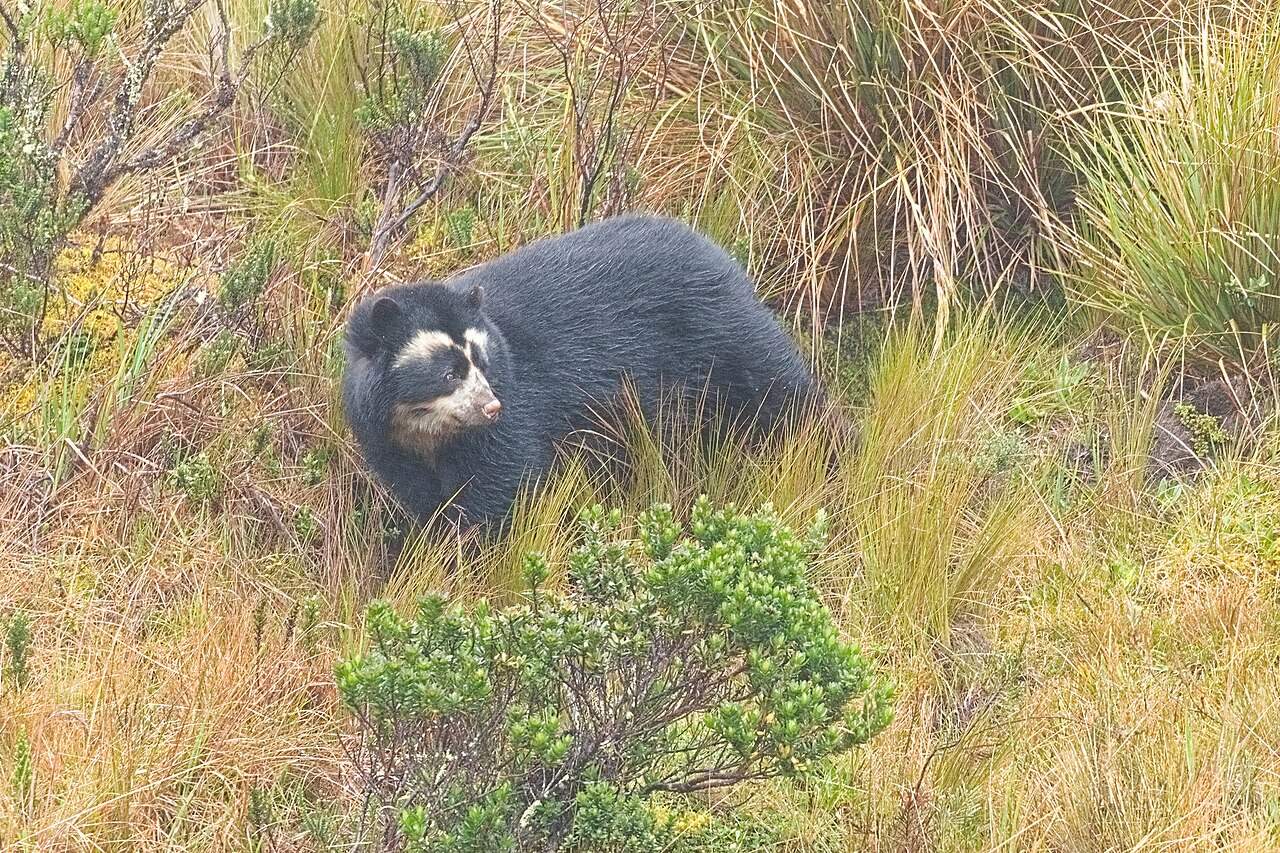
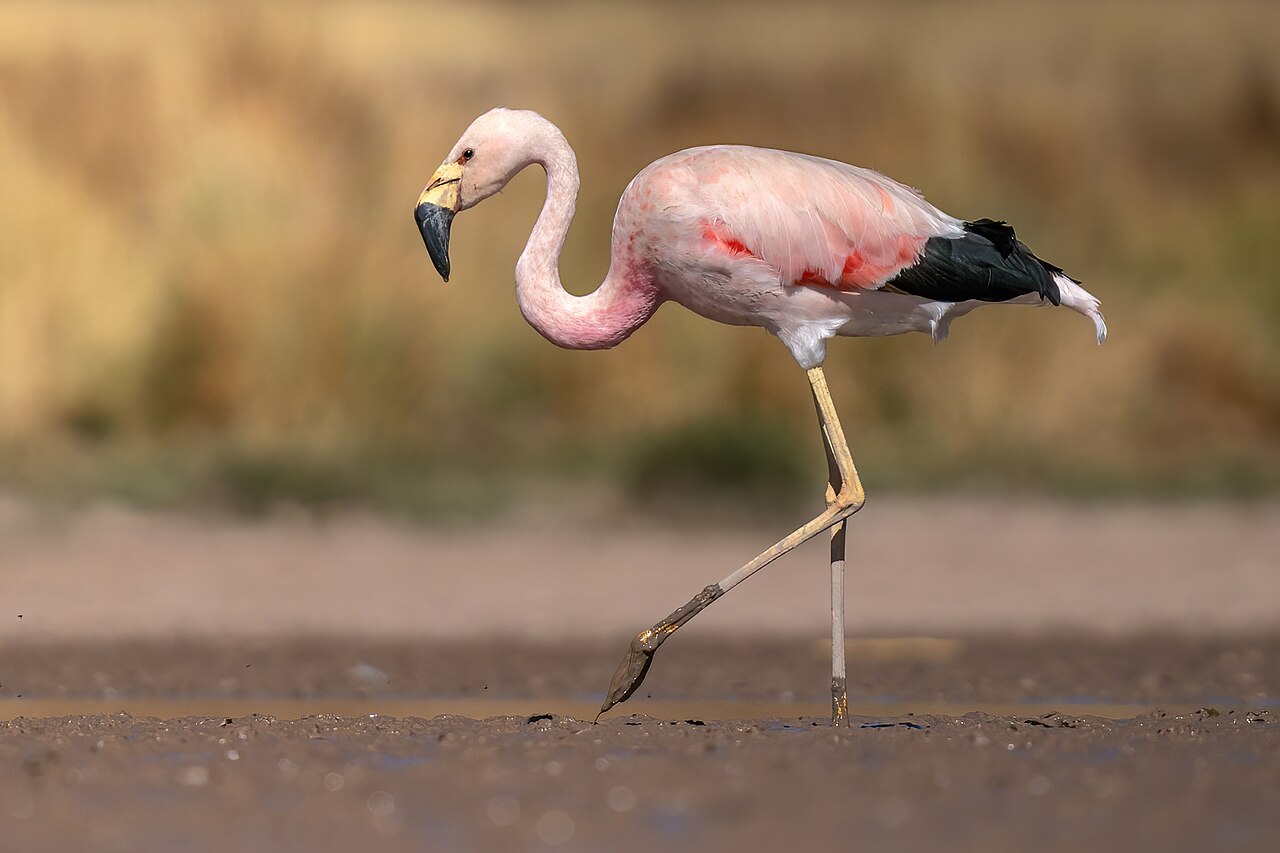
Andean flamingo
Phoenicoparrus andinusBird · Salt flats
Photo: (c) Luciano Massa, some rights reserved (CC BY) · CC BY 4.0
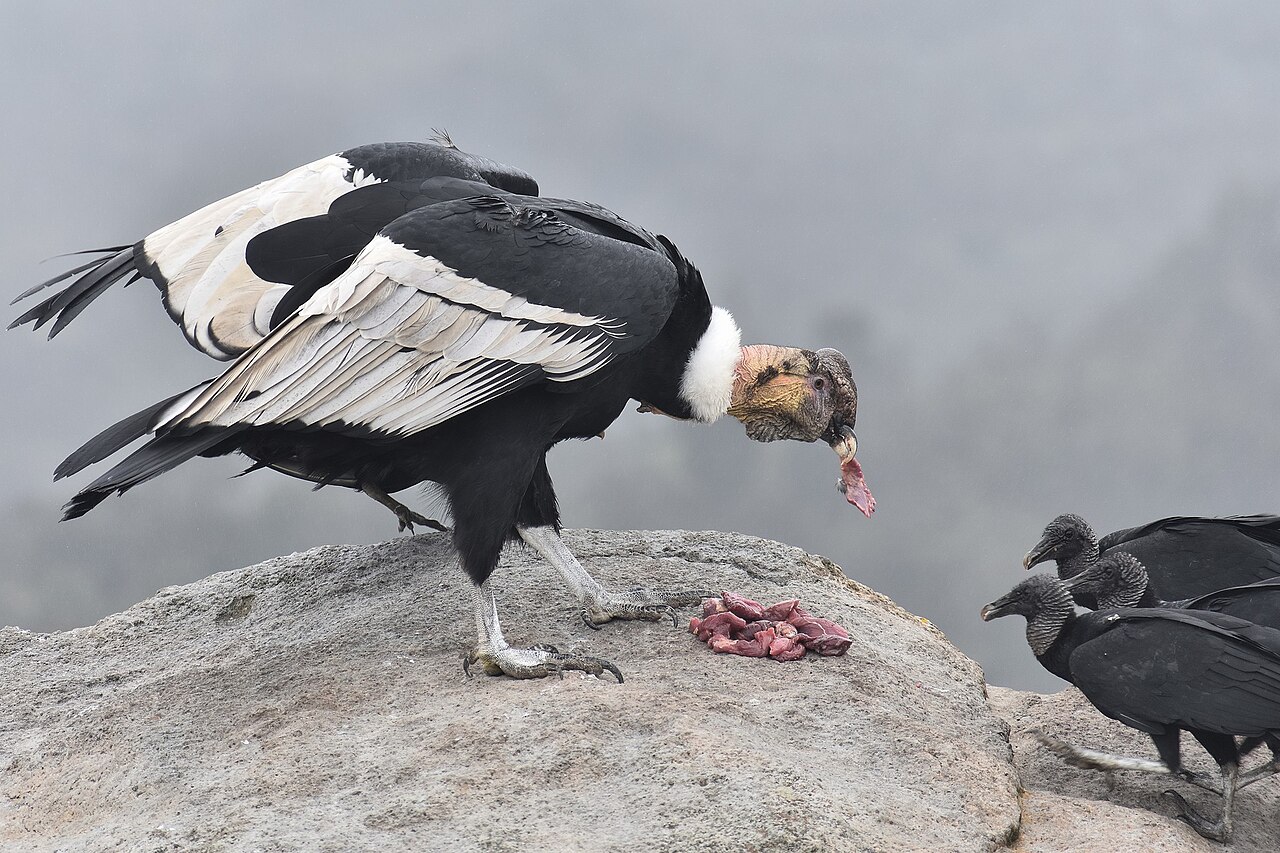
Andean condor
Vultur gryphusBird · Puna
Photo: (c) Sebastian Serna Muñoz, some rights reserved (CC BY) · CC BY 4.0
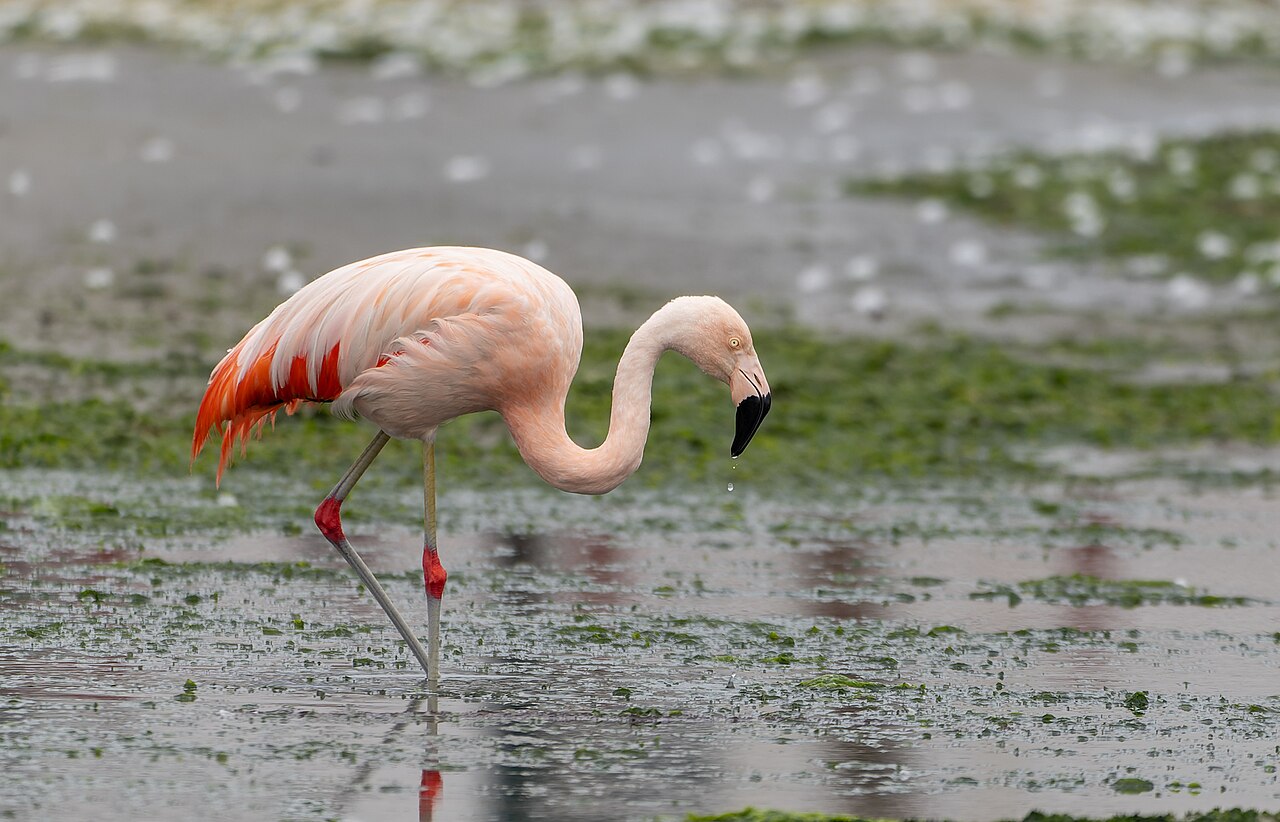
Chilean flamingo
Phoenicopterus chilensisBird · Salt flats
Photo: (c) David F. Belmonte, some rights reserved (CC BY) · CC BY 4.0
- + 74species to discover by playing, including 21 rare or rarer


Seasons
The game follows the region's calendar: some species only show themselves in their season.
- Rainy season: from December to March
- Harvest: from April to May
- Frosty nights: from June to August
- First rains: from September to November
Going further
With experience, gear specific to the region opens up remote corners: alpaca wool gloves, raincoat, glacier glasses; a local guide (Andean guide) helps you find elusive species.
Feel like exploring?
Vitacollecta is free and ad-free, on phones and computers, in English or in French.